About the desk

A Five-Person Editorial Desk on the Mediterranean

Gran Museu Tourism Notes L.L.C. is an Alexandria-based editorial publication run by four full-time writers and one part-time fact-checker. We have been publishing thoughtful heritage notes on Egyptian museums and excursions since 2016. The publication was incorporated in Egypt in 2017 under Commercial Registry number 215984. The Mostafa Kamel Street office, two streets back from the Mediterranean Corniche, has been our base since incorporation.

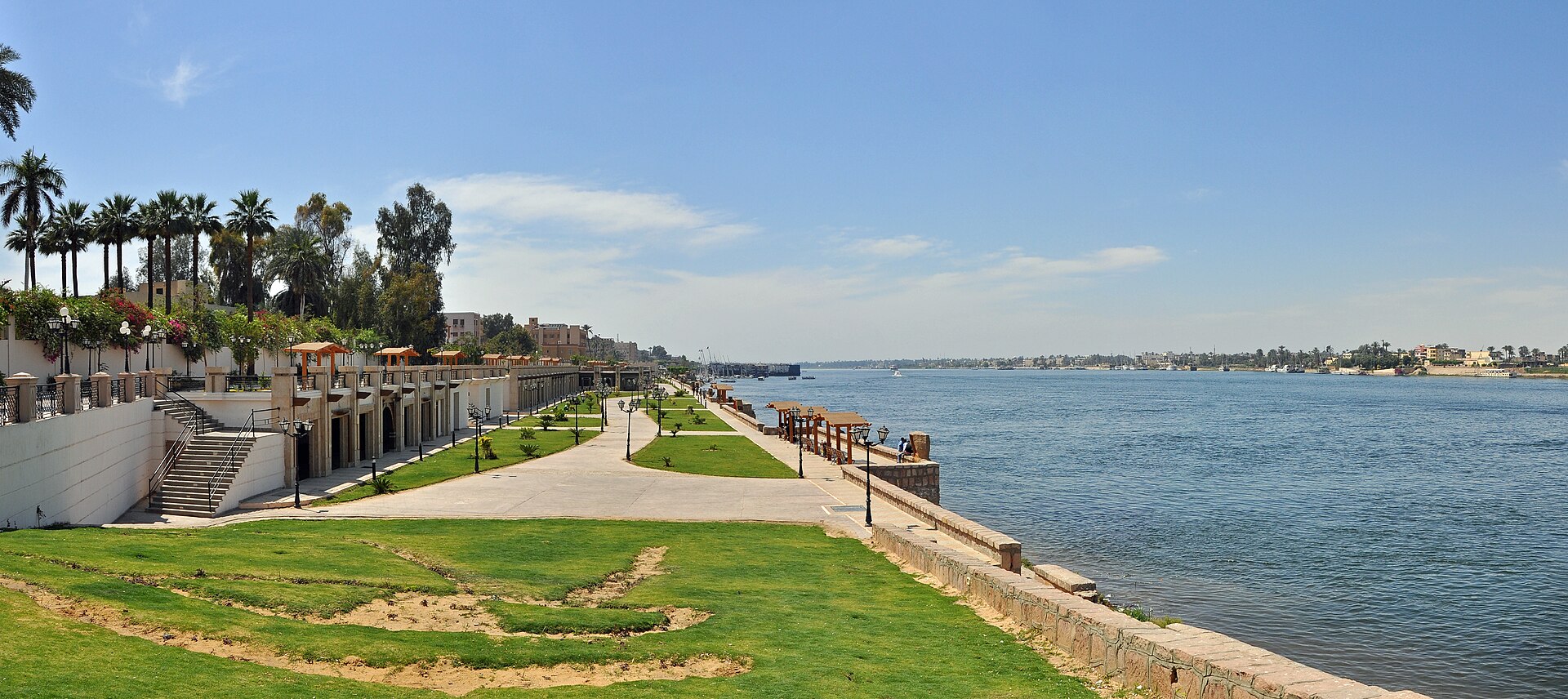
The pedestrianised New Corniche of Luxor in afternoon light — a Gran Museu fieldwork photograph
Origin

From a Coffee-House Conversation to an Editorial Publication

Gran Museu started in late 2015 as a conversation between four people at one of the historic cafés on Saad Zaghloul Square in central Alexandria. The four of us — two heritage journalists, an art-history graduate of Alexandria University and a former curator from the Bibliotheca Alexandrina — were each frustrated by the same thing: the absence of a thoughtful, slow, on-the-ground publication covering Egyptian heritage from a perspective that wasn't either Cairo-centric or written from a desk in Europe. The conversation became a working notebook, the notebook became a small website in spring 2016, and the website became the company you are reading today.

The decision to incorporate as an Egyptian Limited Liability Company was taken in 2017 when the reader base had stabilised and the editorial work had moved from spare-time activity to something that needed proper bookkeeping and tax discipline. Gran Museu Tourism Notes L.L.C. was registered in Alexandria in March 2017 under Commercial Registry 215984. The Tax ID 593-682-471 was issued by the Egyptian Tax Authority the same year. The four founders remain the four full-time editors today, joined in 2020 by Sherine as the part-time fact-checker who keeps the archive coherent across thousands of working hours of fieldwork.

Alexandria was chosen as the base on grounds we have never regretted. The city has a less hurried editorial atmosphere than Cairo, the Bibliotheca Alexandrina is a fifteen-minute walk from the office, and the Mediterranean climate is gentler on the editorial team's fieldwork stamina during the summer months when Upper Egypt becomes physically inhospitable. The train link to Cairo runs every two hours and reaches Ramses Station in under three; the sleeper to Luxor is a same-evening departure that we use regularly during the high season.

Principles

The Four Habits of the Gran Museu Desk

These four habits have stayed in place since the original publication in 2016. They are not slogans but actual working rules; a note that breaks one of them does not go to publication until the breach is fixed.

1. Twelve-month foot rule

If a Gran Museu editor has not visited the site in the past twelve months, the note carries an "archive" badge at the top until a new visit is booked. We will publish a planned re-walk date rather than pretend a five-year-old note is current.

2. Counter-read prices

Egyptian Pound ticket prices are read off the actual counter receipt. Resident and foreign-visitor rates are both listed where they differ. USD reference recalculated quarterly at the official rate.

3. No paid relationships

No advertising, no affiliate commissions on tickets or transport, no sponsored coverage of any kind. We refuse free press visits that require any form of coverage commitment. Subscriptions are the only commercial income.

4. Public corrections

When we get something wrong the correction appears at the top of the affected note, dated and signed by the editor on duty. Subscribers can request the full revision log for any note going back to its first publication.

The team

Five People Behind the Notes

Every note carries the initials of the editor who walked the site. Their specialisations are below.

HA

Hossam Abou Bakr

Editor-in-Chief · Alexandria

Heritage journalism background, fifteen years writing for Cairo and Alexandria publications before co-founding Gran Museu. Covers the Greco-Roman archaeology of Alexandria and the Mediterranean coast. Reads classical Greek and French.

IE

Iman El Sayed

Senior Editor · Upper Egypt

Art-history graduate of Alexandria University. Covers Luxor, Aswan and the temple belt between them. Travels south every six weeks during the season and writes the bulk of the long-read pieces in the quarterly Mediterranean note.

KR

Khaled Rifaat

Editor · Cairo and Pyramid Field

Cairo-born heritage writer, formerly at the Egyptian Tourism Authority. Covers the Cairo metropolitan area, the Giza Plateau and the wider Pyramid Field. The editor most readers correspond with about practical Cairo logistics and transfers.

SW

Sherine Wassef

Fact-checker · Archive

Former curator at the Bibliotheca Alexandrina. Maintains the Gran Museu archive of historical ticket-price data, cross-references every note against the academic literature, and runs the quarterly corrections column.

Timeline

Ten Years of Fieldwork

The short history of Gran Museu year by year.

  1. 2015

    Coffee-house conversation

    Four people at a historic café on Saad Zaghloul Square in Alexandria, agreeing that no thoughtful slow-paced English-language heritage publication exists for Egypt. The first working notebook starts that week.

  2. 2016

    Public archive launched

    The first version of the website goes live with twenty-two heritage notes covering Alexandria and Cairo. Slow growth in the reader base over the first year, mostly through word-of-mouth among European heritage travellers.

  3. 2017

    L.L.C. registered

    Gran Museu Tourism Notes L.L.C. registered in Alexandria in March under Commercial Registry 215984. Editorial principle of no advertising income written into the company bylaws at incorporation.

  4. 2019

    Quarterly Mediterranean note

    The first paid product, the quarterly Mediterranean note, is launched as a printed bulletin posted to Cairo and international subscribers. Initial print run of fifty copies; by year-end the run is two hundred.

  5. 2020

    Pandemic year, archive deepens

    International tourism collapses but subscribers stay. The team uses the closure period to re-walk and rewrite half the existing archive against the latest academic literature. Sherine joins as fact-checker to anchor the corrections work.

  6. 2022

    Itinerary Note plan launched

    The most expensive subscription tier — a personalised editorial trip review — is added in response to repeated reader requests. Initially capped at fifteen new subscribers per quarter; that cap is now reviewed annually.

  7. 2026

    Seven topic pages

    The archive crosses 168 published heritage notes. Seven curated topic pages are launched to make navigation easier — see museum list, archaeology tour, one-day plans, destination cards, smart tips, cultural calendar and with the kids.

Reachability

Office Hours and Response Targets

The office on Mostafa Kamel Street opens five days a week, Sunday to Thursday. Email is the fastest contact route. We answer general inquiries within two business days, Notes Subscriber within one business day, and Itinerary Note subscribers on the same business day. Press inquiries get a one-business-day window. The published phone is answered during office hours for urgent matters and for press queries; substantive editorial work is always better done in writing.

Walk-in visits are by appointment only. The office is small (four desks, a print station, a wall of bookshelves and the slow Mediterranean breeze through the open window when the weather allows). Subscribers passing through Alexandria are welcome to write ahead and propose a meeting; we usually say yes with a one or two day lead time. The Bibliotheca Alexandrina is a fifteen-minute walk in case you want to combine the visit with a heritage afternoon.

Press inquiries — journalists writing about Egyptian heritage and academic researchers — should mark the subject line accordingly. We are happy to be quoted on the record and do not require sign-off rights. Image-rights inquiries are handled individually; the photographs in our notes are taken by editors during fieldwork.

Gran Museu maintains no social-media presence. We considered Twitter in 2018 and Instagram in 2021 and concluded both times that short-form social platforms do not match the deliberate slow editorial work we want to publish. The quiet RSS feed for new and updated notes is the only channel beyond the website itself, and the quarterly Mediterranean note remains the one piece of regular contact our subscribers receive in addition to direct correspondence.