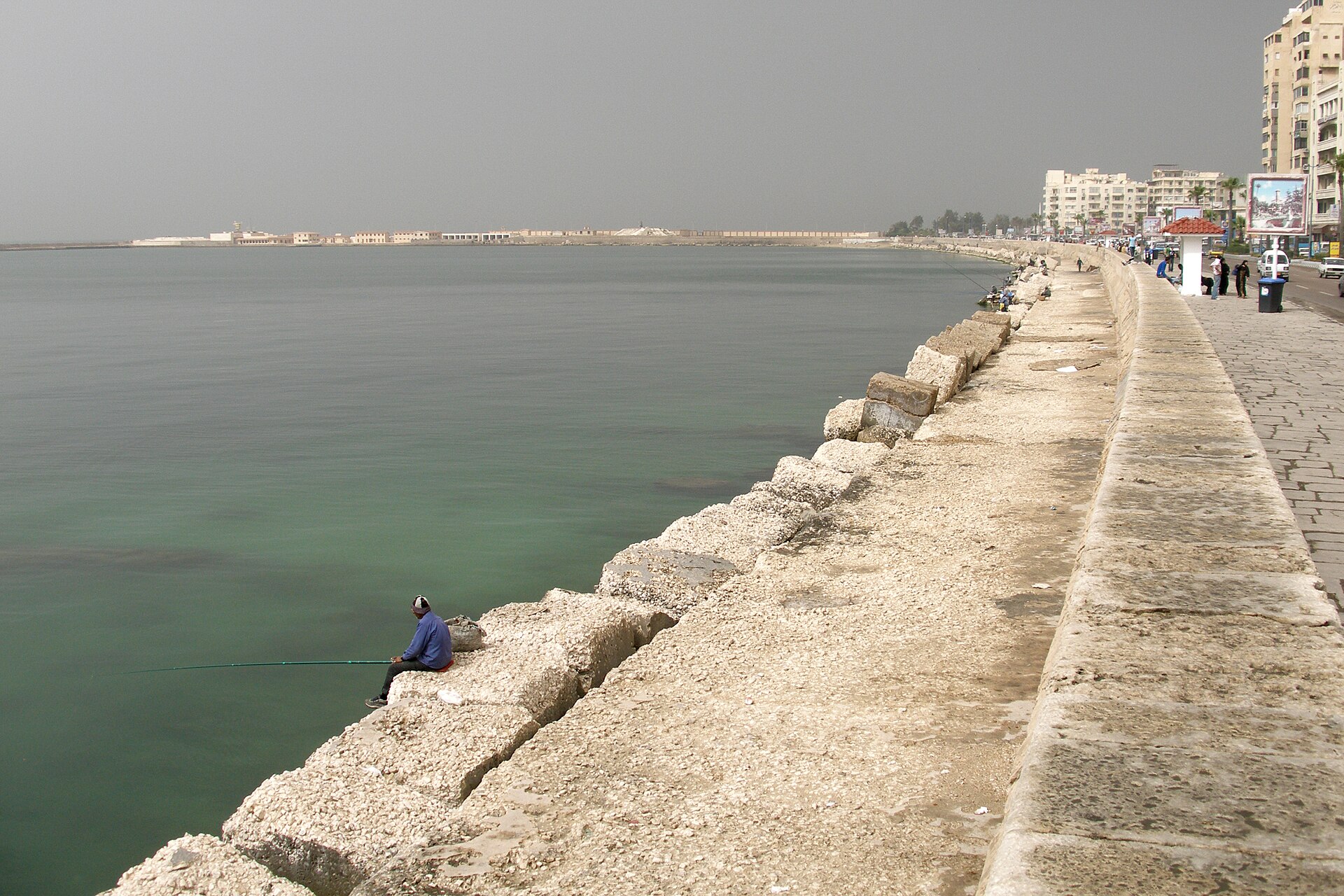
The Mediterranean Corniche of Alexandria with the seafront in late-afternoon light
Tourism notes from Alexandria · Since 2016

Thoughtful Heritage Notes on Egyptian Museums and Excursions

Gran Museu Tourism Notes is a small editorial publication produced by four heritage writers from a Mediterranean office on Mostafa Kamel Street in Alexandria. We have been publishing on-site heritage notes on Egyptian museums and excursions since 2016. No advertising income, no affiliate commissions on tickets or transport. Read freely; subscribe if you find the work useful.

  • 168Heritage notes published
  • 10Years on the desk
  • 5Editorial writers
Editorial method

Four Working Habits That Shape Every Note

The Gran Museu desk publishes thoughtful, well-paced heritage notes rather than condensed reference entries. The four habits below have stayed in place since the original 2016 publication.

1. We walk the site ourselves

Every published note describes a heritage visit that one of our editors made within the last twelve months. We do not write from press releases, do not rely on second-hand information and do not refresh a note over the phone. If the visit has to happen, it happens on the ground.
2. Prices come from the counter

Ticket prices in Egyptian Pounds are taken from the actual ticket counter on the day of the visit. We list both the foreign-visitor rate and the resident rate where they differ. The USD reference shown alongside is recalculated quarterly at the official rate.

3. Notes are signed

Every note carries the initials of the editor who walked the site and the date of that visit. Readers know whose judgement they are reading. Substantial revisions to a note carry a new date and the initials of the editor who revised it.

4. Corrections in plain sight

When we get something wrong the correction is published at the top of the affected note, dated and signed by the editor on duty. We do not silently update text. Subscribers can request the full revision log for any note in our archive.

Featured this season

Recent Heritage Notes

A selection of the heritage notes our readers have opened most often in the past three months. Each card links to the full note on the relevant topic page.

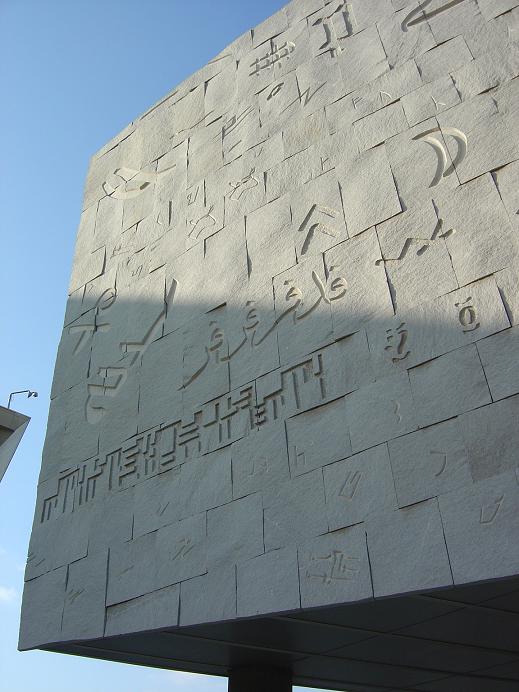
Granite letter wall and disc-roof of the Bibliotheca Alexandrina on the Mediterranean Corniche
Alexandria

The Bibliotheca Alexandrina

The modern reconstruction of the ancient library, opened in 2002. Three included museums under a single ticket: Antiquities, Manuscript, Sadat. Our note covers the Snøhetta architecture, the inscribed granite wall and the practical visit timing from the central Corniche.

Read the note
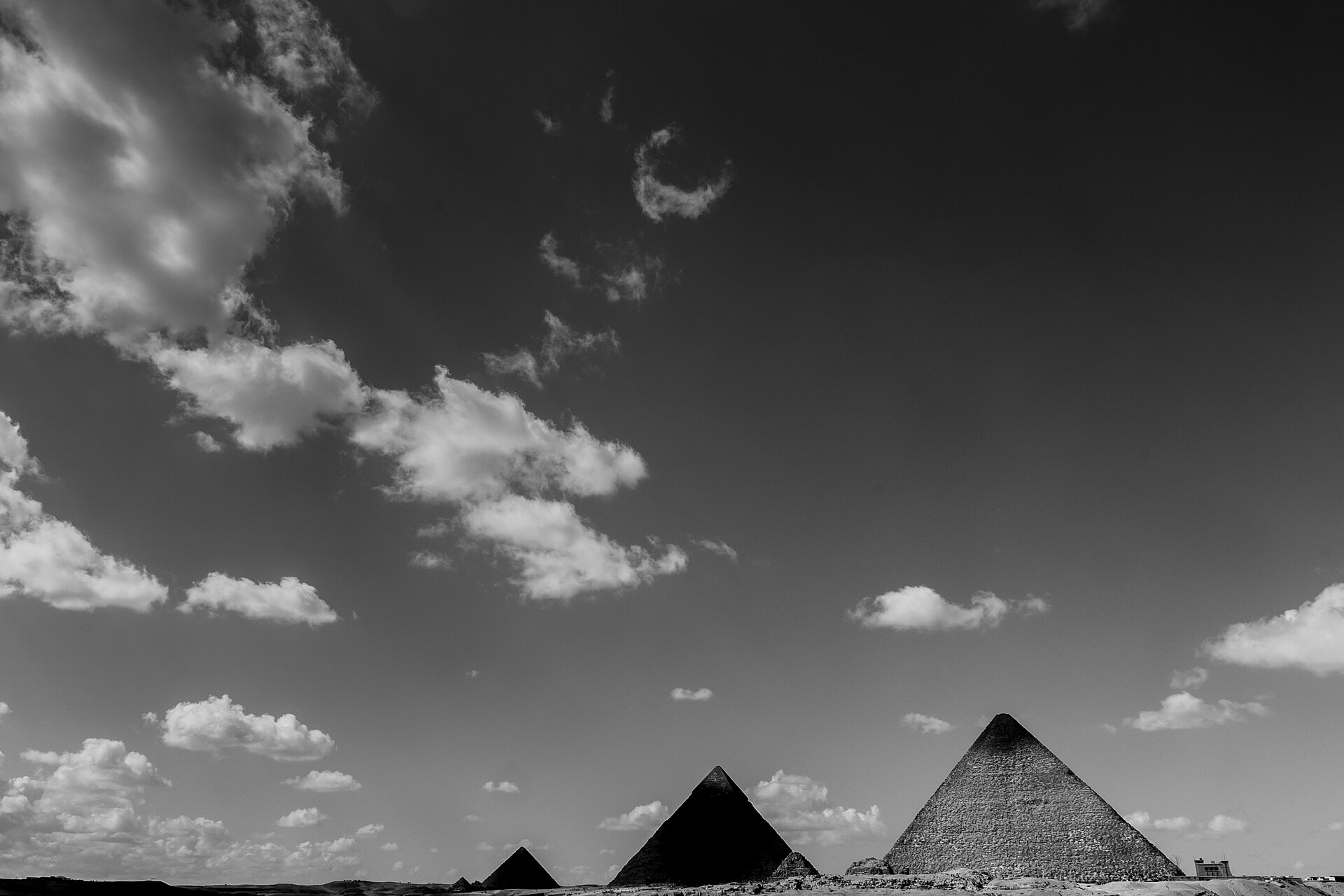
The three pyramids of Giza in alignment against the desert
Giza Plateau

The Giza Plateau in 3.5 Hours

The optimised pyramid visit from a Mediterranean-traveller perspective — how to manage transport from Cairo, the electric shuttle inside the plateau, the panoramic viewpoint, and the realistic Khufu-interior question in summer versus winter.

Read the note
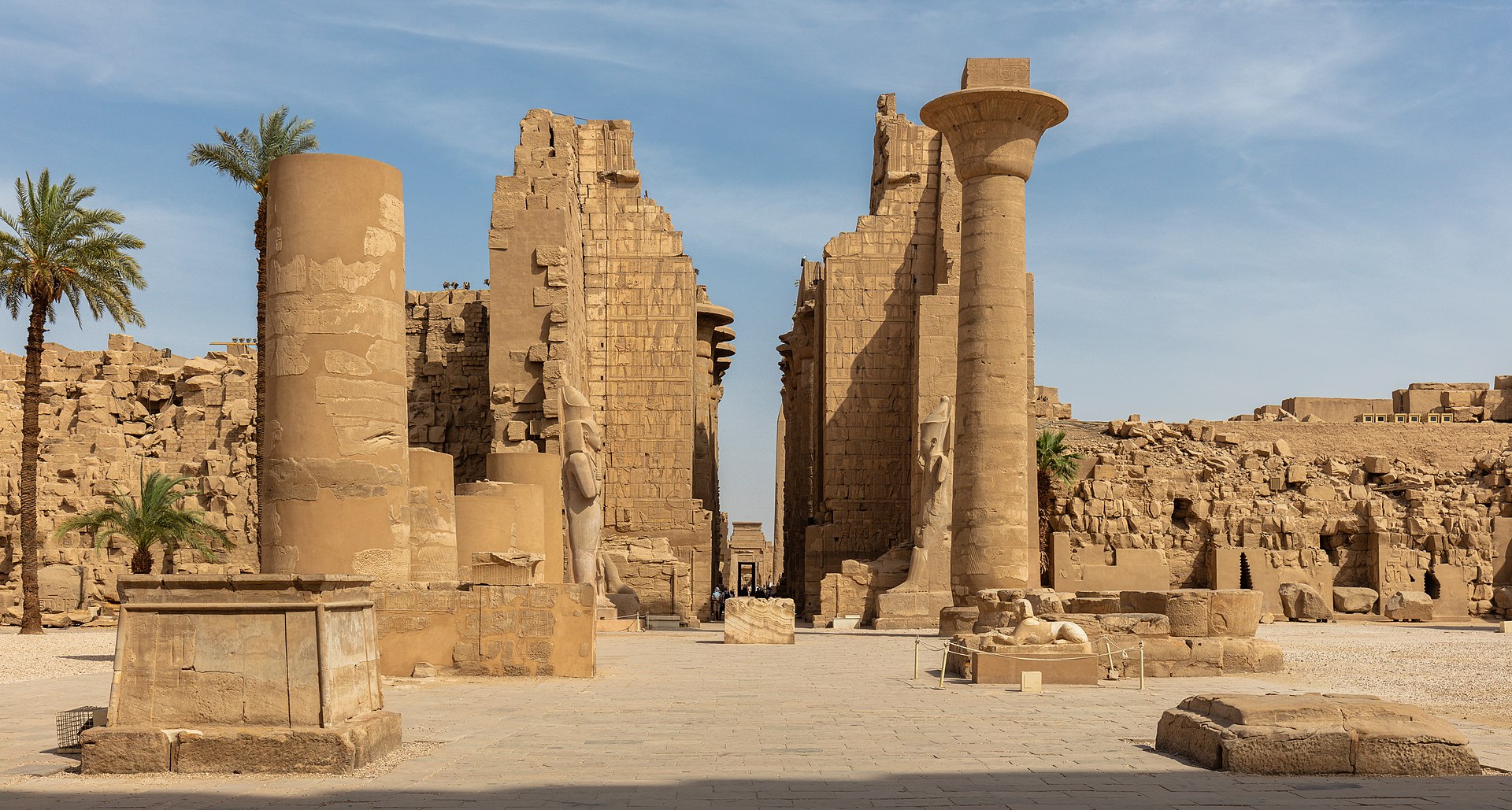
Karnak Temple Hypostyle Hall columns in sun
Luxor

Karnak Temple Complex

The largest religious complex of pharaonic Egypt, built over fifteen centuries. Our note covers the chronology of construction, the open-air museum at the northern end, and the editorial preference for the last 90 minutes before sunset.

Read the note
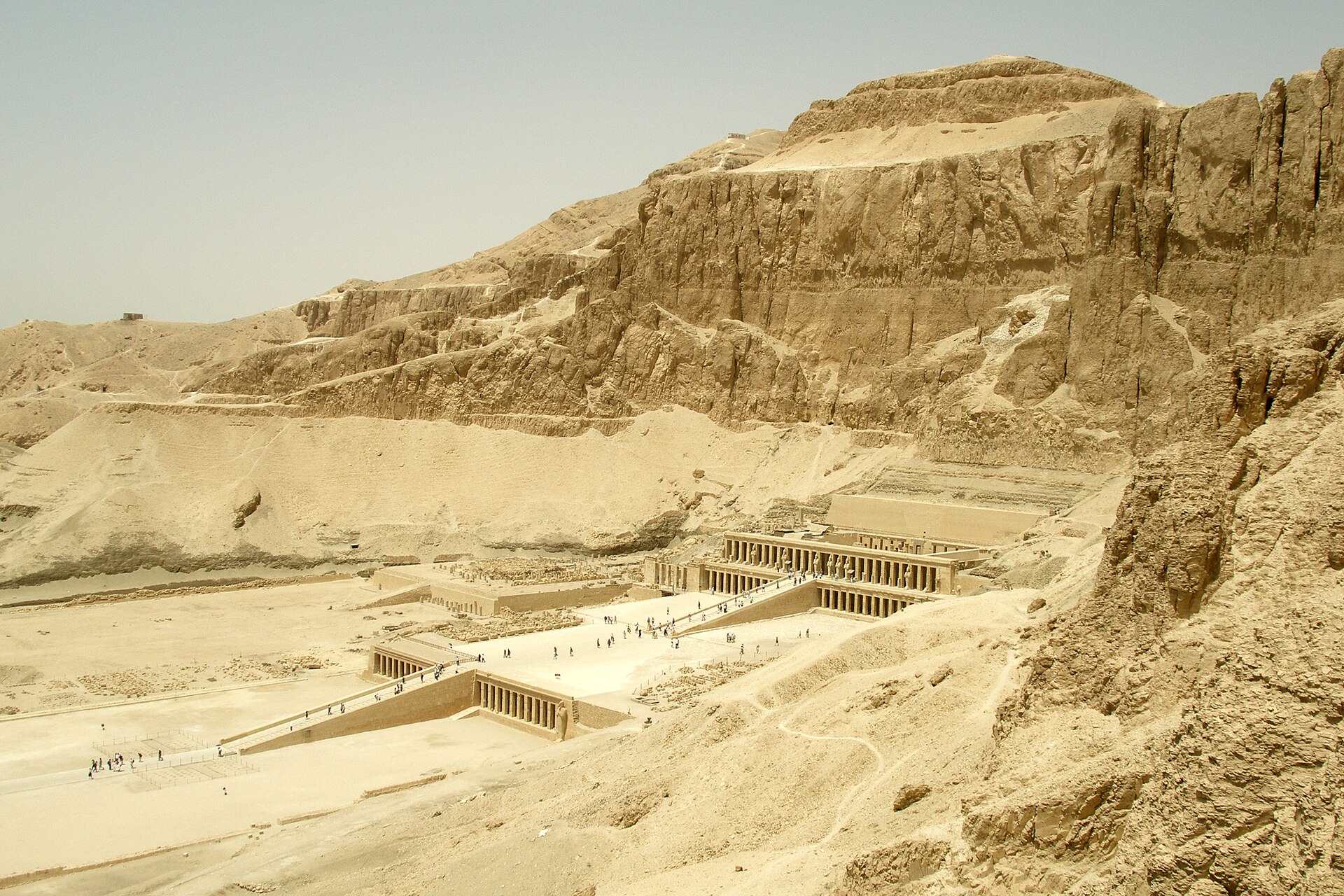
Three colonnaded terraces of Hatshepsut's mortuary temple against the cliff
West Bank Luxor

Hatshepsut at Deir el-Bahari

The three-tiered mortuary temple of the female pharaoh. Notes on the Punt Expedition reliefs, the Hathor chapel and the restoration history of the upper terrace. Recommended morning timing to avoid both heat and the bus groups.

Read the note
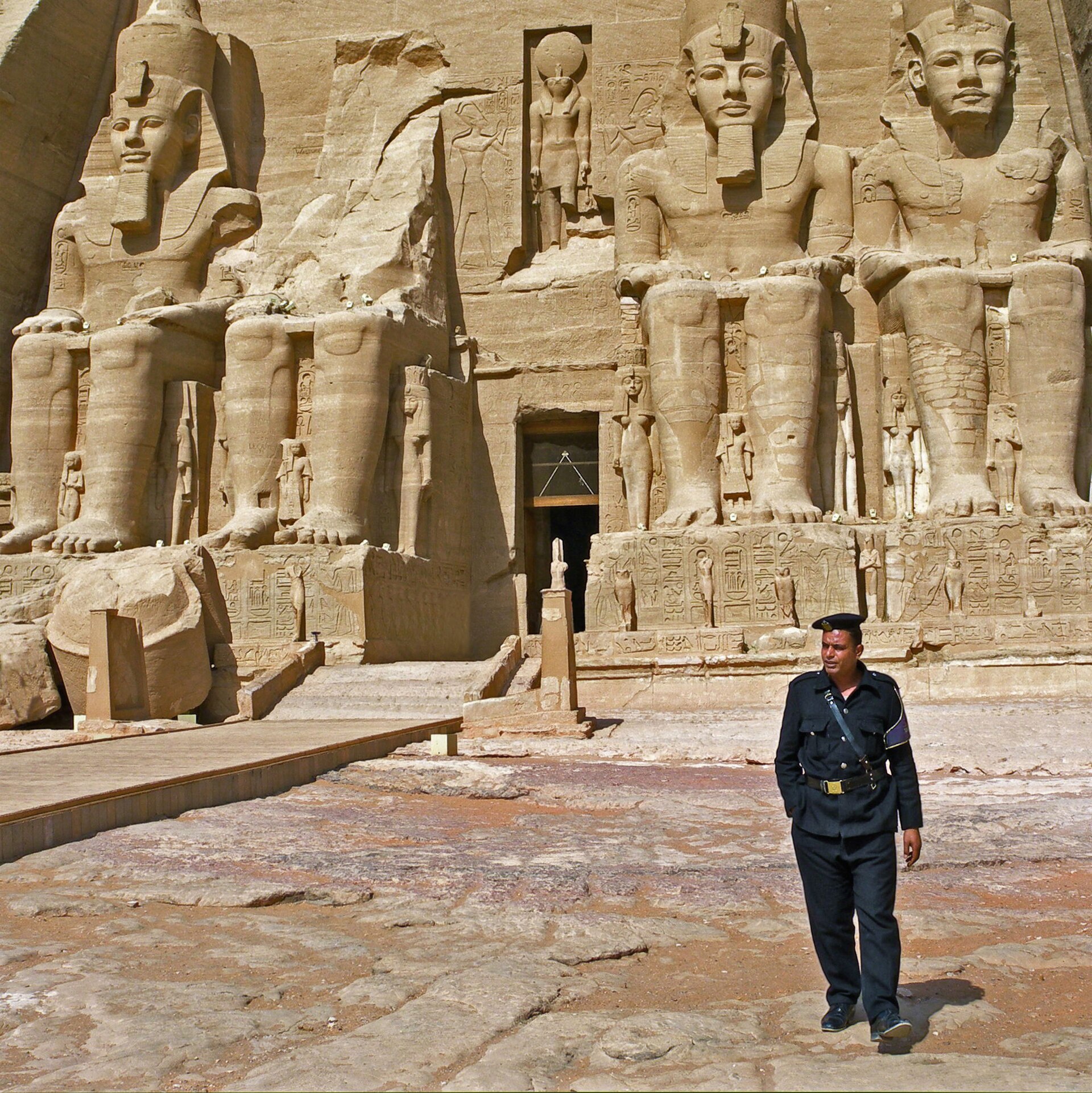
A guardsman statue at Abu Simbel
Abu Simbel

Abu Simbel and the Lake Nasser Convoy

The UNESCO relocation project remains an engineering marvel in itself. Our note covers the early convoy from Aswan, the inner-sanctuary alignment on 22 February and 22 October, and the realistic visit timing on the ground.

Read the note
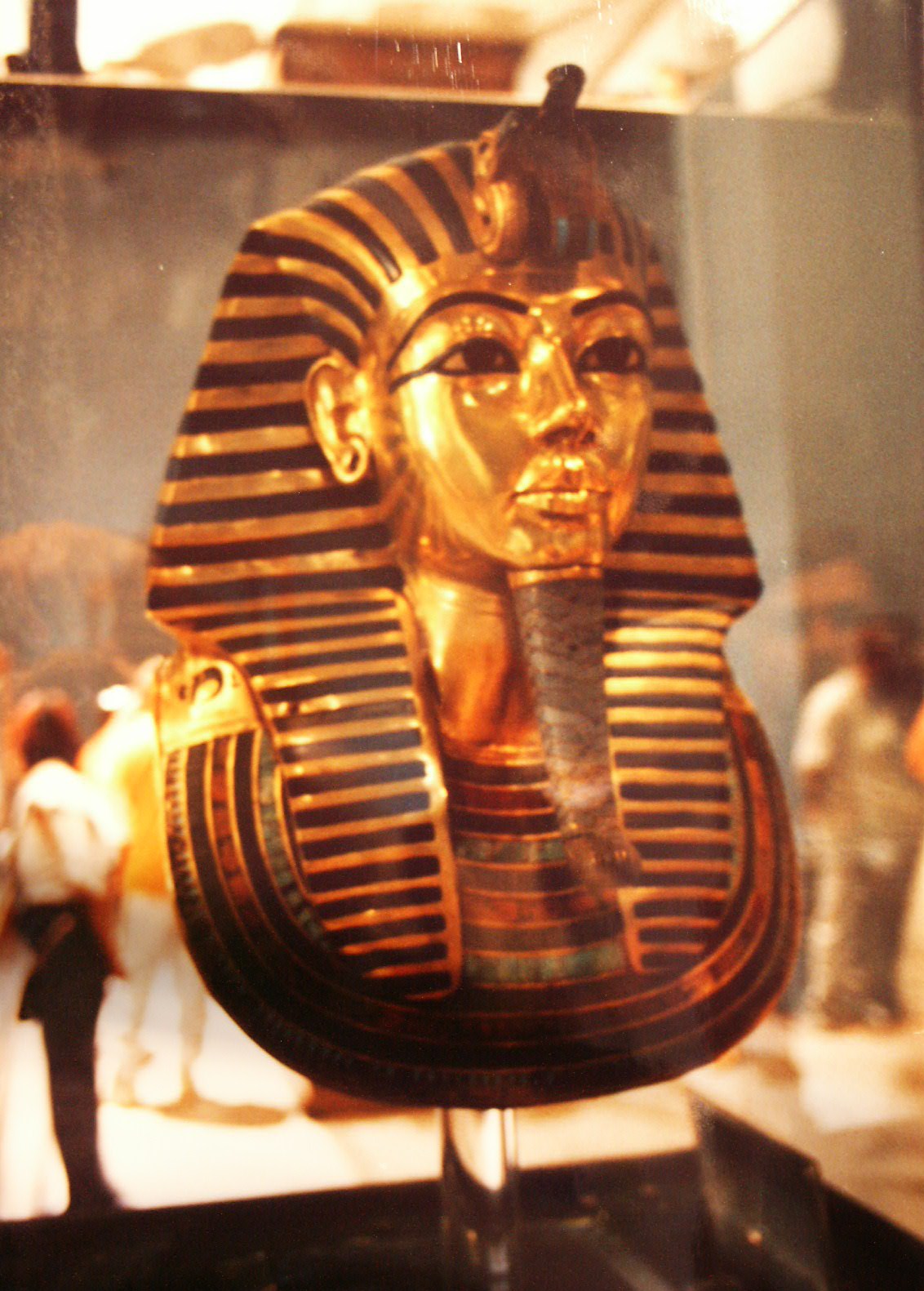
The golden mask of Tutankhamun
Cairo · GEM

The Tutankhamun Wing at GEM

The full Tutankhamun collection, now permanently relocated to the Grand Egyptian Museum at Giza. Our note covers the gallery layout, the practical visit timing for the upper-level wing, and the reading on the gold mask after a few minutes of patient looking.

Read the note
Why Alexandria

An Editorial Desk With the Mediterranean Outside Its Window

Gran Museu operates from a small office on Mostafa Kamel Street in central Alexandria, two streets back from the Corniche. The decision to base the publication in Alexandria rather than Cairo was deliberate. Alexandria offers a calmer pace of editorial work, a slightly different visiting public — the city sees domestic and European tourism in waves that do not match the Cairo pattern — and the historical openness to the Mediterranean that has shaped Egyptian cultural life for two and a half millennia.

The geographical positioning has practical consequences. Our editors are an hour and a half from the Cairo museums by train and roughly four hours from Luxor by night sleeper. We field-verify Mediterranean and Delta heritage sites that travel publications based in Cairo tend to under-cover, and we maintain warmer working relations with the Bibliotheca Alexandrina, the National Museum on the Corniche, and the smaller heritage spaces of Alexandria itself than a Cairo-based publication could justify.

We have no advertising income, no affiliate income on tickets or transport, and no sponsored coverage. The reader plans listed on the pricing page are the entire commercial side of the publication. Income covers four full-time editors, the Alexandria office, the print bulletin sent to Cairo and international subscribers, and the fieldwork travel that anchors every published note.

  • Every note signed by the editor who walked the site.
  • Ticket prices read at the counter, quarterly re-verification.
  • No advertising, no affiliate links, no sponsored coverage.
  • Corrections published openly with editor attribution.
  • Annual re-walk and rewrite cycle on every note.

Seven Topic Pages

The Gran Museu archive is organised into seven topic pages. The first three carry most of the published notes; the remaining four are the practical reference shelf.

Museum List

Ranked editorial list of Egyptian museum collections, top to bottom.

Archaeology Tour

Pharaonic, Greco-Roman and Coptic complexes with full editorial notes.

One-Day Plans

Working day-by-day itineraries built around specific cities or themes.

Destination Cards

Compact destination summaries for the five major Egyptian heritage cities.

Smart Tips

Practical operational guidance — dress, money, heat, taxi, ATM.

Cultural Calendar

The Egyptian cultural year — solar alignments, festivals and closures.

With the Kids

Heritage routes that work with younger visitors, with age guidance.

Reader plans

Three Plans — Reading Stays Free

Everything published on Gran Museu is free to read without an account, paywall or registration step. The three reader plans listed on the pricing page are the entire commercial side of the publication. Subscribers do not unlock secret content; the paid plans add personalised support, the printed quarterly Mediterranean note and the editor-led trip work for Itinerary subscribers.

The most expensive plan — the Itinerary Note plan — adds a personalised trip review by the editor responsible for the region you are visiting. We cap the number of Itinerary Note subscribers per month to keep the same-business-day commitment honest.